
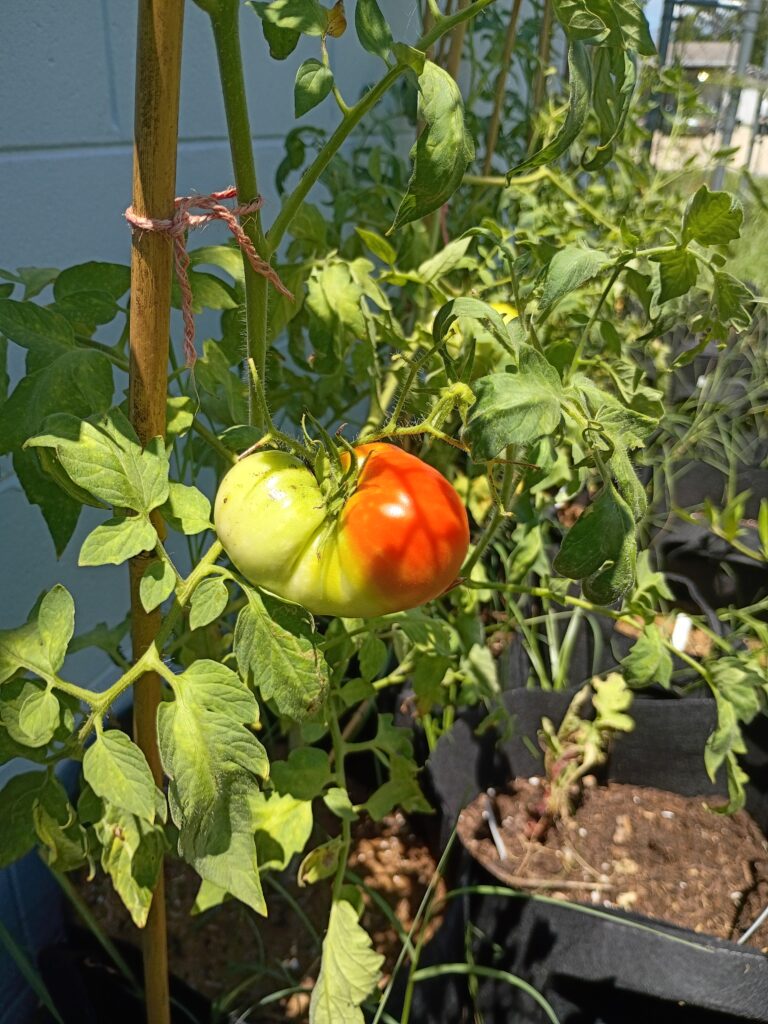
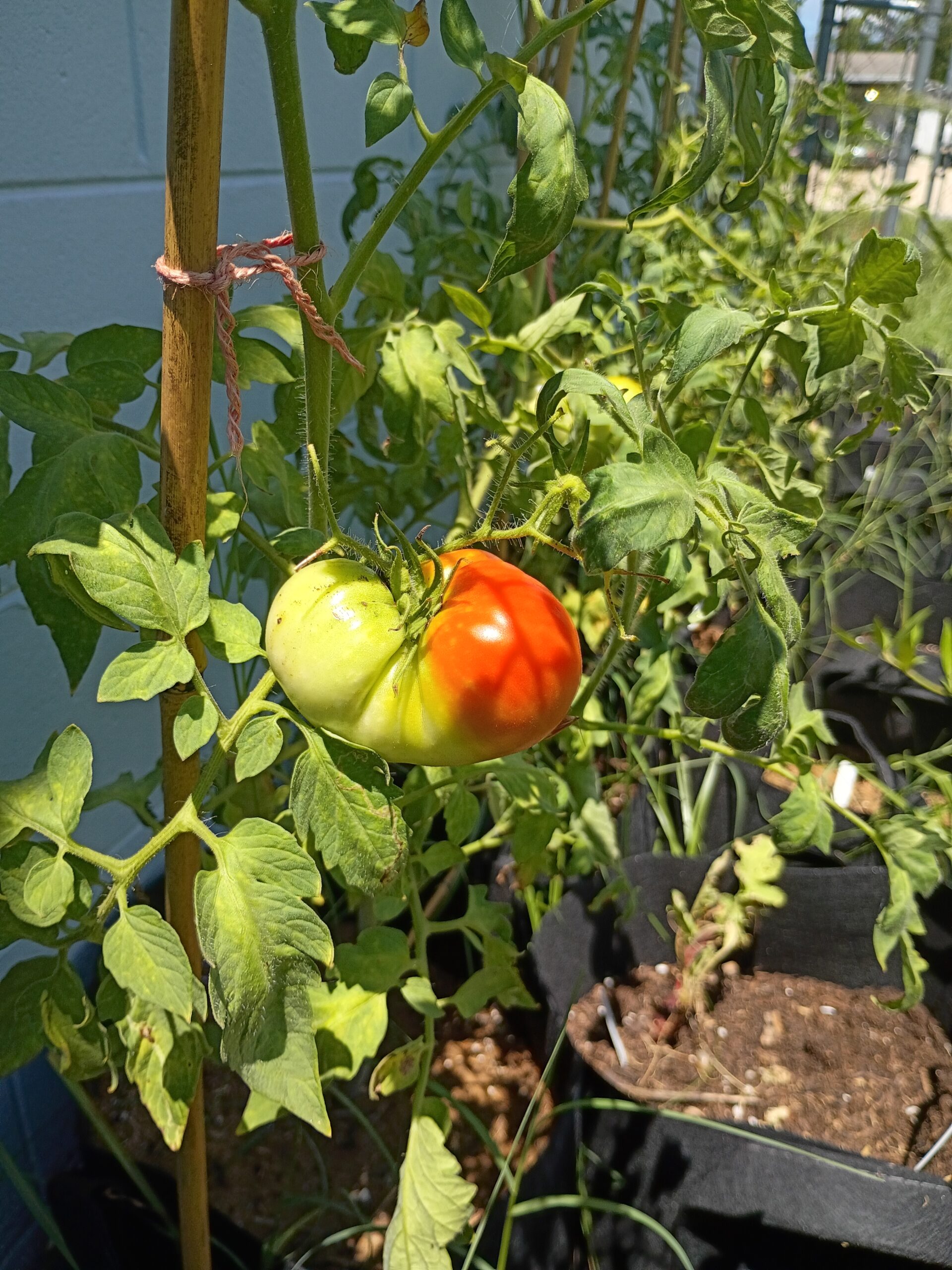
We are conditioned to believe that vitality is a luxury. We look at the curated images of healthy living and assume that those people thrive because they have the time, the help, and the perfect circumstances to do so. We convince ourselves that if we aren’t living in that effortless bubble, we are failing. But real-world vitality is rarely effortless. It is the practice of designing a system that works even when the climate changes, your schedule tightens, or your personal reality demands more than you ever planned to give.
The Vitality Standard is not a rigid routine; it is a design principle. It is the shift from passive survival—where you simply react to the demands placed on you—to active stewardship, where you acknowledge the reality of your environment and make intentional choices about what you will sustain and what you will let go.
To achieve this, we focus on three core pillars:
-
Awareness: The courage to audit your energy leaks, even when they are buried under the “autopilot” of daily habits.
-
Design: Choosing one, high-impact habit that fuels your capacity rather than depleting it.
-
Stewardship: The willingness to perform the unglamorous, necessary maintenance—like staking up plants in the heat—because you recognize the long-term value of the fruit you are producing.
As a CNA, I know that caregiving, whether at the facility or at home, is not a gentle or passive task. It is a series of strategic, high-stakes decisions. If your wellness plan requires an hour of silence, a pristine kitchen, and a seamless routine, you aren’t designing for your life; you are designing for a fantasy. A true Lifestyle Architect designs for the reality currently on the ground. If your kitchen infrastructure is a bottleneck, you simplify your tools until they no longer leak your energy. If your garden is suffering under the heat, you stake the survivors and move on. You do not abandon the goal of vitality; you simply change the method of arrival.
The Vitality Standard requires you to ask one question: If I were starting my life from scratch today, would I include this task in my design? If you are carrying a load that is compromising your health, your professional performance, or your peace, it is time to stop managing the problem and start redesigning the environment. Stewardship isn’t about doing it all; it’s about being the authority over what stays and what goes.

I am documenting my own redesign—the successes, the flops, and the hard pivots—in The Architect’s Log on Substack. If you are ready to stop surviving and start designing your own standard of vitality, follow the progress there.